Finding the Ideal Painting Contractor: Guide to a Perfect Finish
Choosing a painting professional can significantly affect the result of a project. It requires thoughtful assessment of various factors, such as experience, references, and communication skills. A well-structured approach ensures clear direction and limits potential problems. Recognizing what to prioritize is important. With the proper knowledge, homeowners can make informed choices that lead to a successful painting experience. The following segments will present important strategies and techniques to manage this undertaking efficiently.
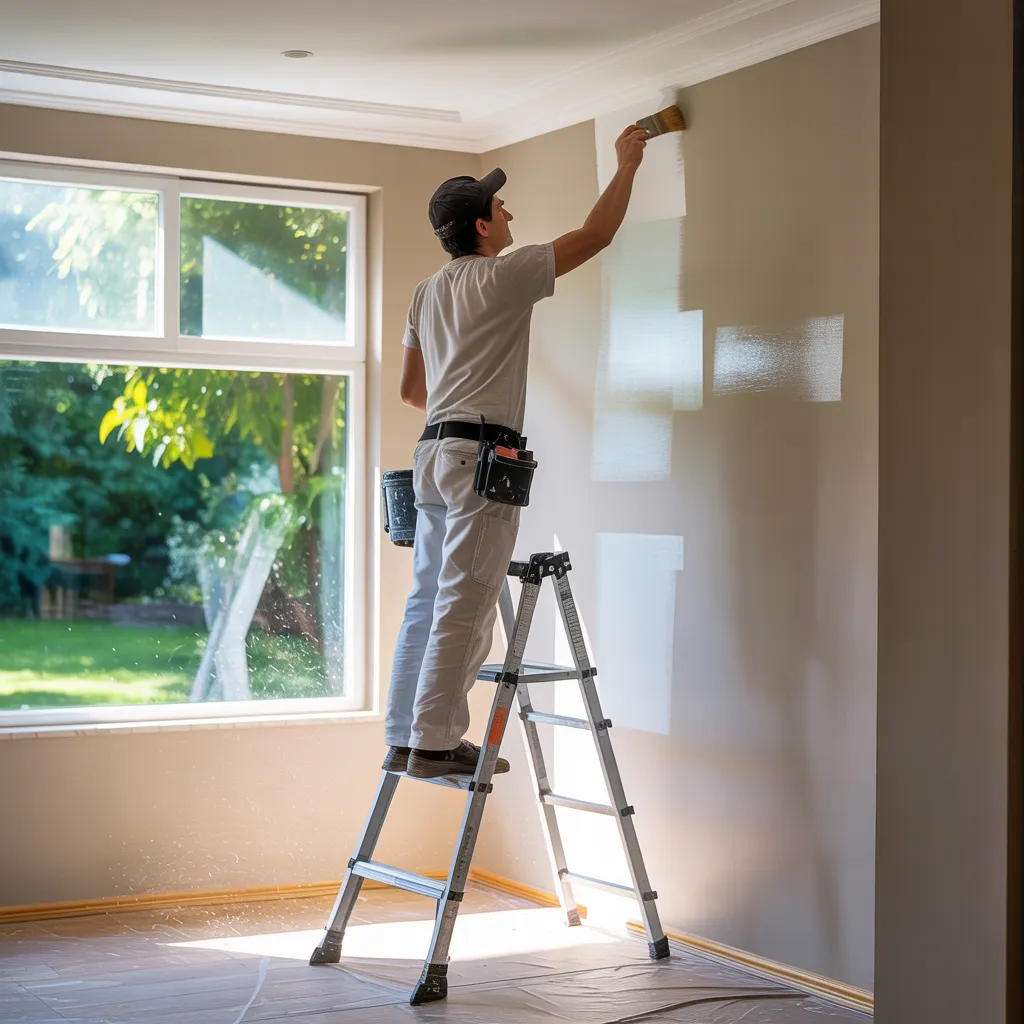
How to Judge a Painting Contractor's Experience
When assessing a professional painter's background, how can you identify the truly qualified from the less competent? Key indicators include the professional's duration in the industry and their collection of finished work. A experienced professional typically possesses a varied body of work, demonstrating multiple techniques and styles, which indicates versatility and expertise. Additionally, knowing the categories of work they focus on—residential, commercial, or both—can shed light on their level of skill.
Another important aspect is the contractor's approach to ongoing education and training. Keeping pace with evolving industry methods and standards reflects a professional attitude. Obtaining certifications or joining reputable associations can further validate their experience. At its core, a complete evaluation involves not just the years in business, but also the diversity and standard of their work, guaranteeing the contractor is equipped to address unique project requirements.
What to Consider When Reviewing References and Reviews
When reviewing references and reviews, it is essential to check for consistency in the caliber of work reported by former clients. This uniformity can signal trustworthiness and professional standards. Moreover, analyzing the professional's communication style through feedback can reveal details about their availability and openness to communication.
Check Consistency in Quality
Assessing references and reviews is vital for establishing a paint contractor's standard of work. Future clients should pay attention to feedback patterns rather than singular opinions. Identify recurring themes in reviews—positive remarks about attention to detail, timeliness, and general quality of work indicate reliability. Furthermore, consider the number of reviews; a contractor with a substantial volume of steady favorable testimonials is usually more dependable than a contractor with limited reviews. Pay attention to any unfavorable feedback, particularly those highlighting lack of proper communication or incomplete work. Lastly, seek references from the contractor personally and follow up with past clients to obtain direct perspectives on their experiences. This thorough approach ensures that the chosen professional will deliver a satisfactory result.
Evaluate Communication Style
How effectively does a painting contractor communicate with clients? This aspect is essential when considering potential candidates. Clients should seek references that highlight the contractor's attentiveness and precision in communications. Reviews may reveal whether the contractor quickly responds to inquiries or issues, indicating a commitment to customer satisfaction. Furthermore, evaluate the contractor's capacity to describe procedures and schedules clearly. A good communicator will guarantee that clients are well-informed throughout the project. Find references that highlight comprehensive and transparent pricingand clarity concerning products and pricing. At its core, clear communication establishes trust and leads to a more efficient project experience, making it a critical element in hiring the best painting contractor.
Critical Factors to Consider When Hiring a Contractor
What essential factors should one consider when hiring a painting contractor? To begin, confirm the contractor's qualifications, such as licenses and insurance, to ensure authenticity and safeguard against potential liabilities. Next, evaluate their experience and expertise by asking for references and reviewing past projects. Doing so allows you to measure the caliber of their work and their dependability.
It is equally important to discuss the variety of materials and techniques they intend to use, as this influences the durability and appearance of the completed project. Furthermore, ask about the timeline for the project, as having clear expectations can prevent potential misunderstandings.
Clear communication is vital; verify the contractor is responsive and open to questions. Talk about any warranties or guarantees covering their services, as this provides assurance of quality. Finally, clarify the contract details, confirming all aspects of the project, including start and completion dates, are recorded in writing. These conversations set the stage for a positive and successful painting experience.
Establishing a Practical Budget for Your Project
Establishing a practical budget for a painting project involves first identifying the project scope, which identifies the particular areas that require painting. After the scope has been defined, it is important to account for material costs, such as paint and supplies, together with the labor fees for the contractor's services. This thorough approach guarantees that homeowners are able to distribute their resources wisely while steering clear of unanticipated financial challenges.
Establish Project Scope First
Establishing the project boundaries is crucial for a productive painting undertaking. This first step involves thoroughly establishing the areas to be painted, the desired finish options, and any required preparation tasks. By establishing these specifics, homeowners can gain greater insight into the total scope of the work, leading to more accurate estimates. A well-defined scope helps eliminate surprise alterations and extra expenses during the course of the project. Moreover, it enables productive discussions with interested professionals, ensuring that all parties are related resource aligned on expectations. Making the effort to establish scope early on can substantially boost the final result, fostering a more organized approach and a more pleasing final result. Emphasizing this step early sets the groundwork for a well-executed painting job.
Account for Material Costs
In establishing the full financial plan for a paint job, homeowners must thoroughly consider material costs to maintain financial practicality. This involves the cost of paint, primer coats, paintbrushes, rolling applicators, and additional supplies such as drop cloths and painter's tape. It is important to opt for superior materials, as they directly impact the longevity and aesthetic of the final result. Homeowners should examine a range of brands and compare their prices to find a balance between quality and cost. Furthermore, considering the total square footage to be painted will help in estimating the required amount of materials, avoiding unforeseen costs. Budgeting for contingencies, such as extra paint for touch-ups, can also lead to a more thorough and accurate budget.
Factor In Labor Costs
Effective budgeting for a painting project demands close attention of labor costs, which can greatly influence the overall cost. Labor costs typically accounts for a significant portion of the complete financial plan, so getting thorough cost breakdowns from contractors is vital. Professionals may bill on an hourly basis or present a set fee based on the extent of the job. It is essential to ask regarding the team composition and the projected timeline, as such considerations can influence overall expenses. Moreover, understanding the contractor's experience and expertise can help explain their pricing. By incorporating labor expenses into the financial plan, property owners can eliminate surprise charges and ensure more efficient project management, resulting in a flawless finish.
Which Questions Should You Consider Asking Before Signing?
What key questions should homeowners consider before signing a contract with a painting contractor? To begin, they should inquire about the contractor's experience and credentials. Reviewing their prior work can offer valuable information about the professionalism and quality of the contractor. Homeowners should also find out about the paint brands and materials utilized, as this impacts the durability and finish of the project. Additionally, discussing the project timeline is vital; knowing when the work will start and its expected completion can help in planning. Homeowners should understand the payment arrangement, including required deposits and final payment conditions. To conclude, it's crucial to discuss warranties covering both workmanship and materials. These inquiries ensure homeowners choose a contractor who meets their needs and expectations, paving the way for a successful paint project.
How to Achieve a Hassle-Free Painting Process With Your Contractor
Establishing clear communication is essential for securing a successful painting process with a contractor. Homeowners should articulate their expectations regarding project timelines, color preferences, and detailed project specifications. Frequent communication can assist in resolving any arising issues and maintain project momentum.
Preparation plays another important role. Homeowners need to ensure the work area remains accessible and clear of obstacles. Doing so allows the contractor to work more effectively and limits possible delays.
Additionally, it is advisable to create a formal agreement that outlines the scope of work, payment schedule, and project deadline. This contract acts as a reference point for both parties, reducing miscommunication.
Ultimately, maintaining a positive relationship fosters collaboration. Clients should express appreciation for the contractor's efforts, encouraging a conducive working environment. By adhering to these recommendations, homeowners can help ensure a smooth painting process, resulting in an impeccable outcome.
Commonly Asked Questions
How Much Time Will the Painting Project Need to Finish?
The length of a painting project typically ranges from a few days to several weeks, influenced by factors such as the size of the area, complexity of the work, and environmental conditions influencing the project timeline.
What Type of Paint Do You Recommend for My Project?
To achieve optimal results, a premium, long-lasting acrylic latex paint is the ideal choice. This type offers excellent coverage, easy application, and long-lasting finish, making it an excellent choice for interior as well as exterior surfaces, resulting in a refined and professional aesthetic.
Do You Offer Warranties on Your Work?
Absolutely, most trusted professional painters provide service warranties on their services. Such guarantees usually encompass both materials and labor, making certain that clients receive excellent service and coverage for possible problems that might develop after the project's completion.
How Do You Address Unexpected Challenges During the Project?
The contractor addresses unexpected issues by swiftly analyzing the situation, engaging honestly with the client, and proposing solutions. This forward-thinking method guarantees minimal disruption and preserves scheduled deadlines while achieving client approval across all phases.
Can I See a Portfolio of Your Previous Work?
The contractor willingly shared a portfolio highlighting a variety of projects, emphasizing skilled workmanship and meticulous attention to detail. Every finished project demonstrated their skill, permitting interested clients to gauge their approach and suitability for future painting projects.